
Introduction
When people search for Viltnemnda, they usually want clear answers. Who makes the decisions about wildlife in their municipality. Who to contact when an animal is injured. How hunting rules are set locally. We’ve worked with local wildlife cases for years, from road accidents involving moose to permit questions from new hunters. Real life questions don’t need vague theory. They need simple, grounded answers. That’s what we focus on here.
Trending
PLG Supplies Explained: What to Buy, Where to Source, and What to AvoidWhat is Viltnemnda, and Why Does it exist in every Municipality
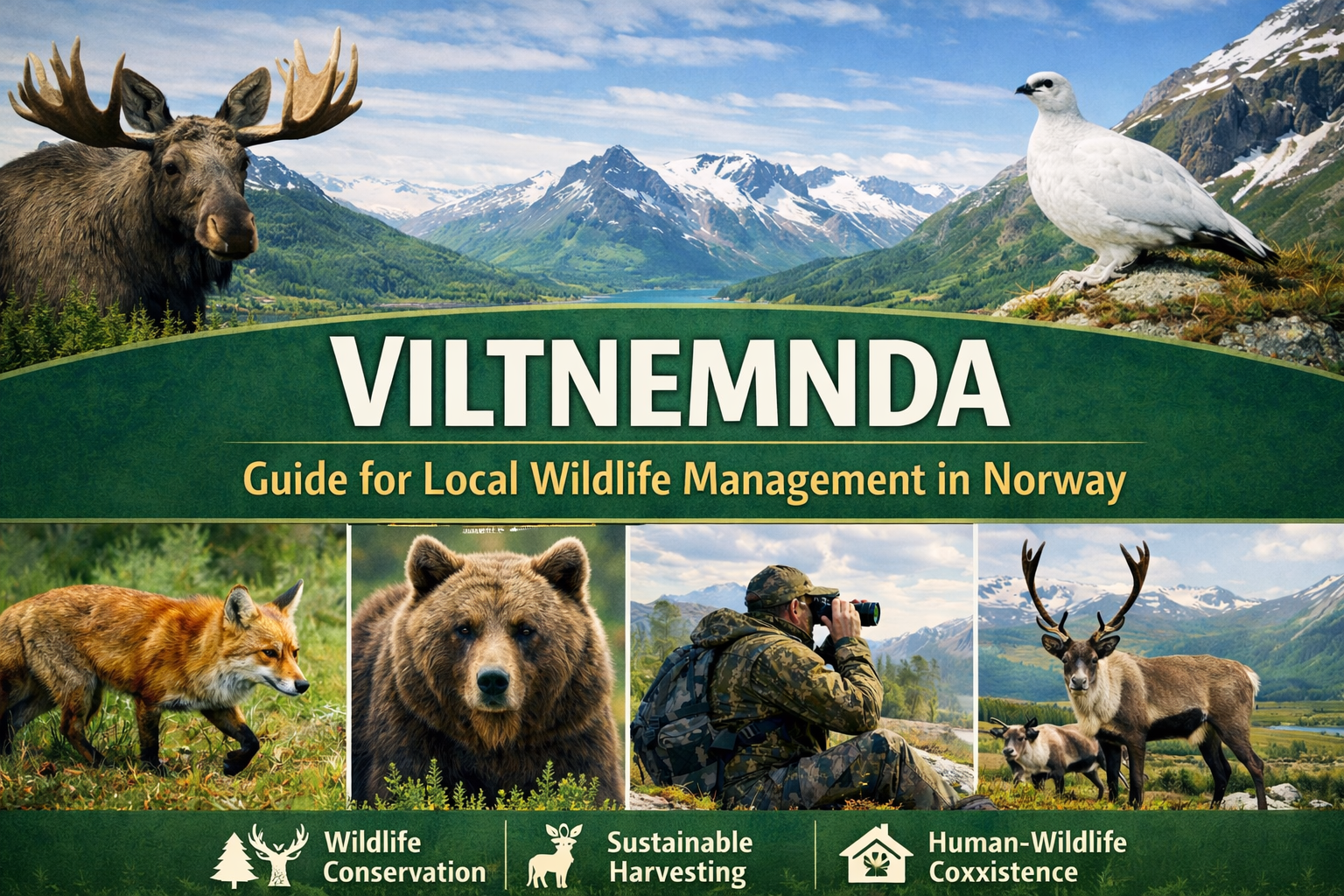
Viltnemnda is the local wildlife committee in Norway. It works inside each municipality and handles daily wildlife management tasks. The goal is simple, keep a healthy balance between animals, nature, and people. That means protecting wildlife, managing hunting activity, and responding fast when animals are hurt or create safety risks.
We often explain it as a local decision group made up of people who know the area well. They understand animal movement, farming pressure, traffic risk, and seasonal changes. National rules exist, but local conditions always shape real decisions.
When residents ask who decides if a deer population is too large, or who approves hunting quotas, the answer almost always comes back to Viltnemnda. If you want an official background on the role of the local wildlife committee in Norway.
How Viltnemnda Manages Hunting Permits and Quotas
Hunting rules are not random. Viltnemnda reviews animal population data, past harvest numbers, traffic collision reports, and land use changes. Based on this, they recommend quotas and approve hunting plans for landowners and hunting teams.
We’ve seen years where too many deer damaged crops and forest growth. In those cases, the committee increased permits carefully. In other years, harsh winters reduced animal survival, and quotas were tightened. That balance takes patience and local knowledge.
Hunters often think paperwork slows things down. In reality, clear permit systems prevent over hunting and protect long term population health. When hunters follow the process, everyone benefits, including future hunting seasons.
What Happens When Wildlife Accidents or Injuries Occur
One of the most visible roles of Viltnemnda is emergency response. When a car hits a deer, moose, or elk, the police often contact local wildlife responders connected to the committee. The goal is to locate the animal fast and prevent suffering or further traffic risk.
We’ve personally worked nights tracking injured animals through snow and forest. It’s not glamorous work, but it matters. Fast response reduces unnecessary pain for the animal and keeps roads safer for drivers.
Residents should always report wildlife accidents immediately. Never try to chase or handle an injured animal on your own. The committee coordinates trained trackers and local resources.
How Local knowledge Shapes Better Wildlife Decisions
National policies create structure, but local insight drives quality decisions. Viltnemnda members often include hunters, farmers, landowners, and community representatives. They know migration routes, calving areas, feeding zones, and problem locations near roads or farms.
We’ve seen municipalities avoid costly mistakes simply because someone on the committee remembered flood patterns or forest changes that maps didn’t show yet. That lived experience matters more than spreadsheets alone.
Local meetings allow concerns to surface early. Farmers can report crop damage trends. Drivers can report repeated collision areas. Hunters can share herd observations. That feedback loop keeps decisions grounded and practical.
How Residents can Communicate Effectively with Viltnemnda
Many people hesitate to contact the committee because they assume nothing will change. In reality, clear communication helps shape better outcomes. When you report accurate details, time, location, animal type, frequency, the committee can track patterns and respond responsibly.
We always suggest keeping notes or photos when safe. Consistent reporting improves data quality over time. That data feeds directly into future planning and safety measures.
If you attend open municipal meetings, ask questions. It shows engagement and helps members understand public concerns. Respectful dialogue goes a long way in small communities.
How Viltnemnda supports Long-Term Wildlife Sustainability
Sustainability isn’t a slogan. It’s steady work. Viltnemnda balances animal health, habitat capacity, human safety, and land use. Overpopulation leads to starvation, disease, and traffic accidents. Underpopulation harms ecosystems and hunting culture.
We’ve watched recovery programs succeed when patience stayed strong. It can take several seasons to correct an imbalance. Short term pressure often causes long term harm.
Education also plays a role. Hunters learn ethical harvesting. Residents learn safe driving habits during migration seasons. Landowners learn habitat protection practices.
Conclusion
We rely on Viltnemnda to protect wildlife, manage hunting responsibly, and keep communities safe. Local knowledge, steady decision making, and respectful cooperation keep nature balanced and healthy. Clear communication strengthens trust and long term results for everyone involved.

