
Introduction
In a world that increasingly relies on digital financial solutions, Onnilaina stands out as a transformative concept, bridging the gap between traditional community-based lending and the modern technological advancements of fintech. Originating from the combination of time-honored mutual aid systems and cutting-edge digital platforms, Onnilaina represents a new approach to how financial services can be structured. By utilizing the power of peer-to-peer lending, Onnilaina is reshaping the future of financial inclusion and promoting ethical financial practices. This article will delve into the meaning, cultural significance, historical roots, and growing influence of Onnilaina in the fintech industry, examining how it combines traditional values with technological advancements to create a more inclusive and resilient financial ecosystem.
What is Onnilaina? Understanding Its Meaning and Concept
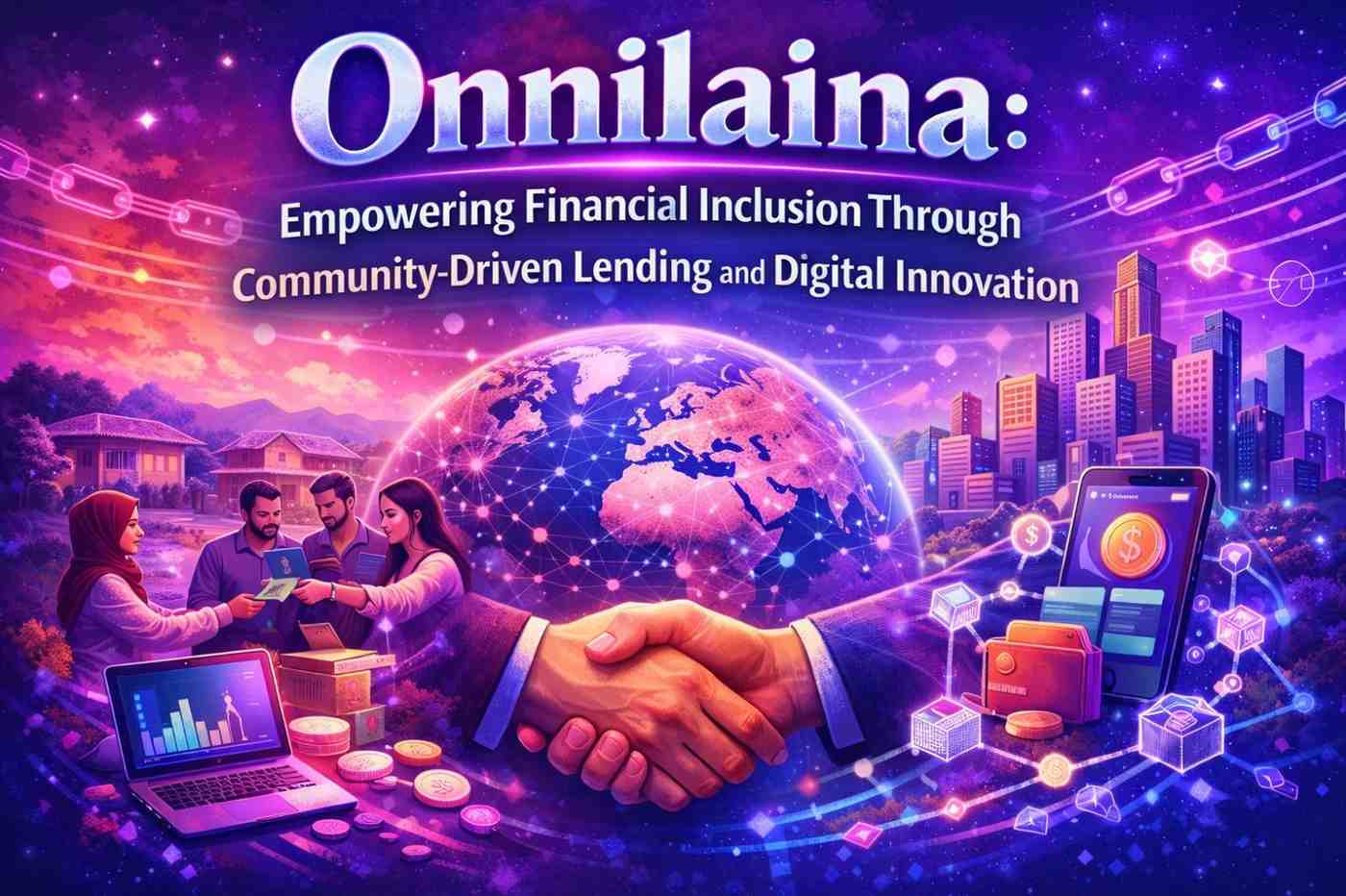
At its core, Onnilaina is a concept that fuses community-driven lending with the digital revolution of fintech. Derived from cultural practices of mutual aid and collective financial cooperation, Onnilaina modernizes these traditions by incorporating the advantages of peer-to-peer (P2P) lending platforms, digital wallets, and blockchain technology.
The term “Onnilaina” encapsulates both the spirit of communal financial support and the innovative potential of fintech solutions. Unlike traditional banking systems that often rely on centralized institutions, Onnilaina offers an alternative that prioritizes the needs of individuals within their community. It empowers members of a community to support one another financially, either through direct lending or pooled funds that can be accessed digitally.
By connecting borrowers with lenders directly, Onnilaina fintech systems reduce the need for intermediaries, enabling quicker, more flexible lending options. This allows for greater transparency and access, especially for underserved populations who may be excluded from conventional banking systems.
The Cultural and Historical Roots of Onnilaina: A Fusion of Tradition and Technology
To fully appreciate the significance of Onnilaina, it’s important to look at its cultural and historical roots. Traditional lending systems, such as community savings groups or rotating credit associations, have existed for centuries in various parts of the world. In cultures ranging from the Philippines’ “paluwagan” to Africa’s “susu” systems, communities have long used informal financial arrangements to pool resources and provide financial support during times of need.
These systems, based on mutual trust and collective responsibility, are foundational to the concept of Onnilaina. They operated on the idea that financial cooperation within a trusted community could help individuals weather economic storms and build wealth together.
With the advent of modern fintech, Onnilaina has evolved to incorporate digital platforms that make such community-driven lending practices more efficient, scalable, and accessible. The rise of blockchain technology, mobile money, and P2P lending networks has facilitated the growth of Onnilaina, offering a seamless, digital solution to a long-standing human tradition. This combination of tradition and innovation offers a fresh perspective on how financial ecosystems can operate in the modern world.
How Onnilaina is Revolutionizing Financial Inclusion and Peer-to-Peer Lending
One of the most profound impacts of Onnilaina is its ability to promote financial inclusion. In many parts of the world, millions of people remain unbanked, often due to geographical, economic, or social barriers. Traditional financial institutions are typically out of reach for these populations, as they often require high minimum balances, credit histories, and other restrictions.
Onnilaina fintech platforms are changing this by creating accessible, decentralized lending networks that don’t rely on credit scores or large financial institutions. Peer-to-peer lending within the Onnilaina system allows individuals to lend directly to one another, bypassing the complexities of the traditional financial system. This gives borrowers access to the funds they need, while lenders can potentially earn higher returns than they would from conventional savings accounts.
By facilitating this type of lending, Onnilaina makes financial services available to those who have traditionally been excluded, thereby fostering financial inclusion. This is particularly important in developing regions, where access to banking infrastructure can be limited.
The Role of Onnilaina in Modern Digital Finance Systems
In the context of modern digital finance, Onnilaina digital innovation plays a critical role in fostering collaboration and trust-based lending. Traditional financial institutions often rely on centralized systems that may not be entirely transparent or efficient, especially for smaller transactions. By contrast, Onnilaina leverages decentralized technologies, such as blockchain and smart contracts, to ensure secure, transparent transactions between individuals.
Onnilaina fintech solutions also integrate features like digital wallets and mobile apps, making it easier for individuals to send and receive funds. The use of digital tokens or cryptocurrencies in Onnilaina networks further enhances the security and transparency of transactions, while lowering transaction costs and eliminating the need for intermediaries. This type of system promotes trust among participants, which is vital in community-driven lending environments.
Moreover, the peer-to-peer lending model used in Onnilaina allows for greater flexibility in terms of loan amounts, interest rates, and repayment schedules. By allowing lenders and borrowers to negotiate terms directly, Onnilaina creates a more personalized and user-centric approach to financial services.
The Benefits of Onnilaina: Empowering Communities and Encouraging Trust
The impact of Onnilaina extends far beyond just financial transactions—it empowers communities. By encouraging individuals to participate in lending and borrowing within their communities, Onnilaina fosters a sense of collective responsibility and mutual support. This can lead to stronger social bonds, as people rely on each other for financial assistance and invest in each other’s success.
The transparency and low-cost nature of Onnilaina fintech systems also encourage greater trust in financial transactions. Unlike traditional banks, where the decision-making process is often opaque and controlled by large institutions, Onnilaina allows people to see where their money is going and who they are lending to. This trust-building aspect is especially crucial for individuals who may have been let down by the traditional financial system in the past.
Furthermore, Onnilaina promotes ethical financial practices by discouraging predatory lending and high-interest rates. The community-driven nature of Onnilaina encourages more fair and equitable lending, where the focus is on helping members of the community, rather than maximizing profits.
Challenges and Risks of Onnilaina in the Fintech Industry
Despite its many benefits, Onnilaina faces some challenges and risks, particularly as it gains popularity. One of the main concerns is the lack of regulation in many regions. While the decentralized nature of Onnilaina allows for more freedom and autonomy, it can also open the door to potential exploitation, fraud, or misuse of funds.
Regulatory frameworks will need to evolve to ensure that Onnilaina remains a safe and ethical alternative to traditional banking systems. Without proper oversight, there is the risk of bad actors entering the space and undermining the trust that is central to community-driven lending.
Another challenge is the potential for scalability issues as Onnilaina grows. While digital platforms can accommodate large volumes of transactions, ensuring that the infrastructure remains secure, reliable, and capable of handling increased demand will be critical for long-term success.
Onnilaina’s Global Impact: A Movement Toward More Inclusive Financial Systems
Onnilaina is gaining traction worldwide as it presents an alternative model to traditional financial systems that prioritizes collaboration, financial inclusion, and mutual support. As fintech continues to disrupt traditional banking, Onnilaina is poised to play a significant role in reshaping financial systems for the better. From rural communities in Africa to urban populations in Southeast Asia, Onnilaina is bridging gaps and promoting more equitable access to financial services.
As Onnilaina continues to evolve, its potential to create a more inclusive financial landscape becomes even clearer. It’s more than just a concept—it’s a movement that blends the best of old and new, combining the power of community with the innovation of technology to create a more resilient, ethical, and accessible financial system for all.
Conclusion
Onnilaina is a unique fusion of traditional community-driven lending and modern fintech innovation, making financial services more inclusive, accessible, and ethical. By promoting peer-to-peer lending and trust-based relationships, Onnilaina empowers communities and offers financial inclusion to those often excluded from traditional banking. While challenges like regulation and scalability exist, its growing adoption points toward a more transparent, resilient, and collaborative financial system. Onnilaina is leading the way for a more equitable financial future, combining the best of tradition and technology.

