
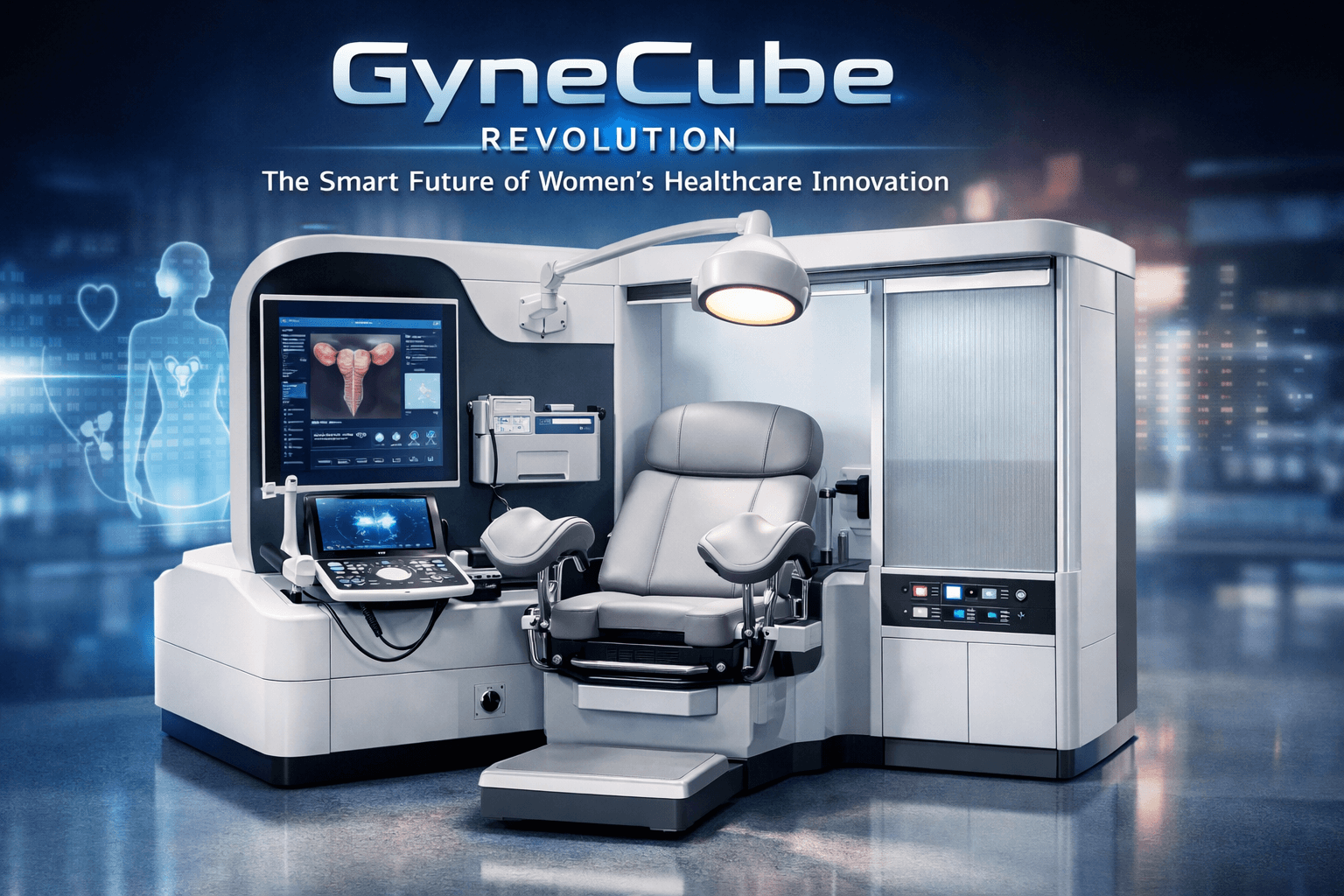
Women’s healthcare is evolving rapidly as technology reshapes the way we approach diagnosis, treatment, and patient care. In this transformation, GyneCube stands out as a powerful innovation designed to improve efficiency, comfort, and clinical accuracy in gynecological settings. We are witnessing a shift toward smarter, more patient-centered solutions that reduce barriers and enhance accessibility. By combining intelligent design with medical precision, this system introduces a new standard in women’s health services. Its growing presence in clinics highlights a clear demand for streamlined processes that maintain high standards of safety and reliability.
What Is GyneCube and Why Does It Matter
GyneCube is an advanced clinical solution developed to modernize gynecological examinations and related healthcare procedures. It integrates diagnostic tools, digital systems, and user-friendly interfaces into a compact and efficient structure. By consolidating multiple processes into one streamlined unit, it reduces complexity within medical environments and improves workflow organization.
This innovation matters because women’s health services often involve sensitive procedures that require privacy, precision, and patient trust. Traditional setups may involve multiple devices and manual coordination, which can slow down examinations and create unnecessary discomfort. With this integrated approach, we see a shift toward smoother interactions between healthcare providers and patients.
In modern healthcare, efficiency directly affects both patient satisfaction and clinical outcomes. A system that simplifies examination procedures while maintaining medical rigor contributes to higher standards of care. This is why the growing attention around this technology reflects a broader commitment to innovation in women’s health.
How GyneCube Supports Women’s Health
Women’s health requires accurate screening, timely diagnosis, and a respectful clinical environment. GyneCube supports these priorities by combining technological precision with thoughtful design. The system enables healthcare professionals to conduct examinations in a more controlled and organized setting, minimizing disruptions during procedures.
When clinical processes become more efficient, patients experience shorter waiting times and clearer communication. This structure allows providers to focus on delivering attentive and personalized care rather than managing multiple disconnected tools. By reducing operational complexity, medical teams can dedicate more attention to patient well-being.
Preventive healthcare plays a critical role in gynecology. Regular screenings and early detection strategies are essential for identifying potential issues before they become severe. An integrated system strengthens this preventive approach by ensuring examinations are conducted consistently and accurately. This results in more reliable data and improved monitoring of patient health over time.
Key Features and Technology Behind GyneCube
The strength of GyneCube lies in its advanced technological framework. It combines digital interfaces, automated processes, and ergonomic design into a unified platform. These elements work together to create a seamless experience for both practitioners and patients.
The system is designed to reduce manual intervention where possible, limiting the potential for error and ensuring standardized procedures. Digital integration allows for accurate data recording and secure storage, which enhances long-term patient management. When medical records are organized efficiently, follow-up care becomes more precise and coordinated.
Another essential feature is its space-efficient structure. Modern clinics often operate within limited physical environments, making compact yet comprehensive equipment highly valuable. By consolidating various examination components into one system, clinics can optimize room layouts without compromising functionality.
Ergonomic considerations also play a vital role. Healthcare providers benefit from equipment that reduces physical strain during repetitive procedures. This improves performance consistency and supports long-term professional well-being. The blend of technology and design ensures that innovation remains practical rather than purely theoretical.
Benefits for Patients and Healthcare Providers
The introduction of advanced systems in gynecology brings measurable benefits to both patients and professionals. From the patient’s perspective, a more organized and discreet environment enhances comfort during sensitive examinations. A streamlined process reduces stress and fosters greater confidence in clinical care.
Healthcare providers benefit from improved workflow efficiency. When examinations require fewer steps and less equipment coordination, appointments can proceed more smoothly. This not only increases productivity but also allows clinicians to dedicate meaningful time to patient communication and guidance.
Accuracy in diagnostic procedures is another major advantage. Digital integration reduces the likelihood of documentation errors and improves consistency across cases. Reliable data collection strengthens clinical decision-making and enhances overall care quality.
In addition, improved operational efficiency can reduce administrative burdens. With better record management and integrated systems, staff can focus on patient interaction rather than paperwork. This creates a more patient-centered healthcare environment that aligns with modern medical standards.
Role of GyneCube in Modern Gynecology
Modern gynecology demands adaptability, precision, and patient trust. GyneCube contributes to this evolving landscape by offering a solution that aligns with contemporary healthcare expectations. It supports clinics in meeting regulatory standards while maintaining a high level of clinical excellence.
Digital transformation has become central to healthcare progress. As clinics increasingly adopt electronic records and automated systems, integrated examination platforms fit naturally within this trend. The result is a cohesive environment where diagnostic tools and patient data operate in harmony.
Training and implementation also become more structured with unified systems. When equipment follows standardized processes, medical teams can quickly adapt and maintain consistent procedures. This consistency is essential in gynecology, where accuracy and professionalism directly impact patient safety.
Furthermore, innovation in this field reflects a broader societal shift toward empowering women’s health services. By investing in advanced infrastructure, clinics demonstrate their commitment to quality, dignity, and medical integrity.
Privacy, Safety, and Medical Reliability
Privacy remains one of the most important aspects of gynecological care. Patients must feel secure during examinations and confident that their personal information is protected. Systems designed with privacy in mind help reinforce trust between patients and healthcare providers.
Secure data management ensures that medical records remain confidential and accessible only to authorized professionals. Digital safeguards reduce the risk of misplaced documents or unauthorized access. This level of protection is critical in maintaining professional standards and legal compliance.
Safety extends beyond data protection. Equipment reliability and standardized procedures reduce potential risks during examinations. A structured environment minimizes unnecessary movement and manual handling, contributing to a safer clinical experience.
Medical reliability depends on precision and consistency. By integrating diagnostic tools within a unified system, clinics can ensure that examinations follow established protocols. This enhances confidence in clinical results and supports accurate long-term health monitoring.
Future of Digital Women’s Healthcare with GyneCube
The future of women’s healthcare is closely tied to digital innovation and patient-centered design. GyneCube represents a step toward a more integrated and technologically advanced healthcare ecosystem. As clinics continue to modernize, solutions that combine efficiency with compassion will become increasingly essential.
Artificial intelligence, automated reporting, and remote consultation capabilities are shaping the next phase of medical progress. Integrated platforms provide the foundation for incorporating these advancements without disrupting existing workflows. By building on structured systems, healthcare providers can adopt new technologies more seamlessly.
Patient expectations are also evolving. Today’s patients value transparency, efficiency, and convenience. Modern clinical environments that reflect these priorities strengthen trust and satisfaction. When innovation supports both medical precision and human empathy, the overall quality of care improves significantly.
As healthcare systems worldwide adapt to changing demands, digital infrastructure will continue to define success. Investments in advanced clinical solutions demonstrate a proactive approach to meeting these challenges and preparing for the future.
Conclusion
Innovation in women’s healthcare requires a balance between technological advancement and compassionate care. Throughout its design and application, GyneCube embodies this balance by offering a structured, efficient, and patient-focused solution for gynecological settings. Its integrated features enhance diagnostic accuracy, protect patient privacy, and streamline clinical workflows.
By embracing modern systems that prioritize safety and reliability, healthcare providers strengthen the foundation of women’s health services. The future of gynecology depends on solutions that support both professionals and patients in meaningful ways. Through thoughtful integration of technology and medical expertise, clinics can deliver higher standards of care while maintaining trust and dignity in every examination.

