
Introduction
When working with water storage systems or industrial tanks, one small component can make a huge difference: the tank fitting. Poor quality fittings often lead to leaks, corrosion, and expensive maintenance problems. That is why many professionals look for reliable products like Rhino Tank Fittings.
These fittings are designed for durability, easy installation, and long-term performance. Whether the tank is used in agriculture, water storage, or industrial applications, choosing the right fitting ensures the entire system works safely and efficiently. In this guide, we will explore what Rhino Tank Fittings are, how they work, and why they are widely trusted for tank systems.
Also Read
LinkedIn Marketing Twastia com: Unlocking the Power of LinkedIn for Your Business
What Are Rhino Tank Fittings
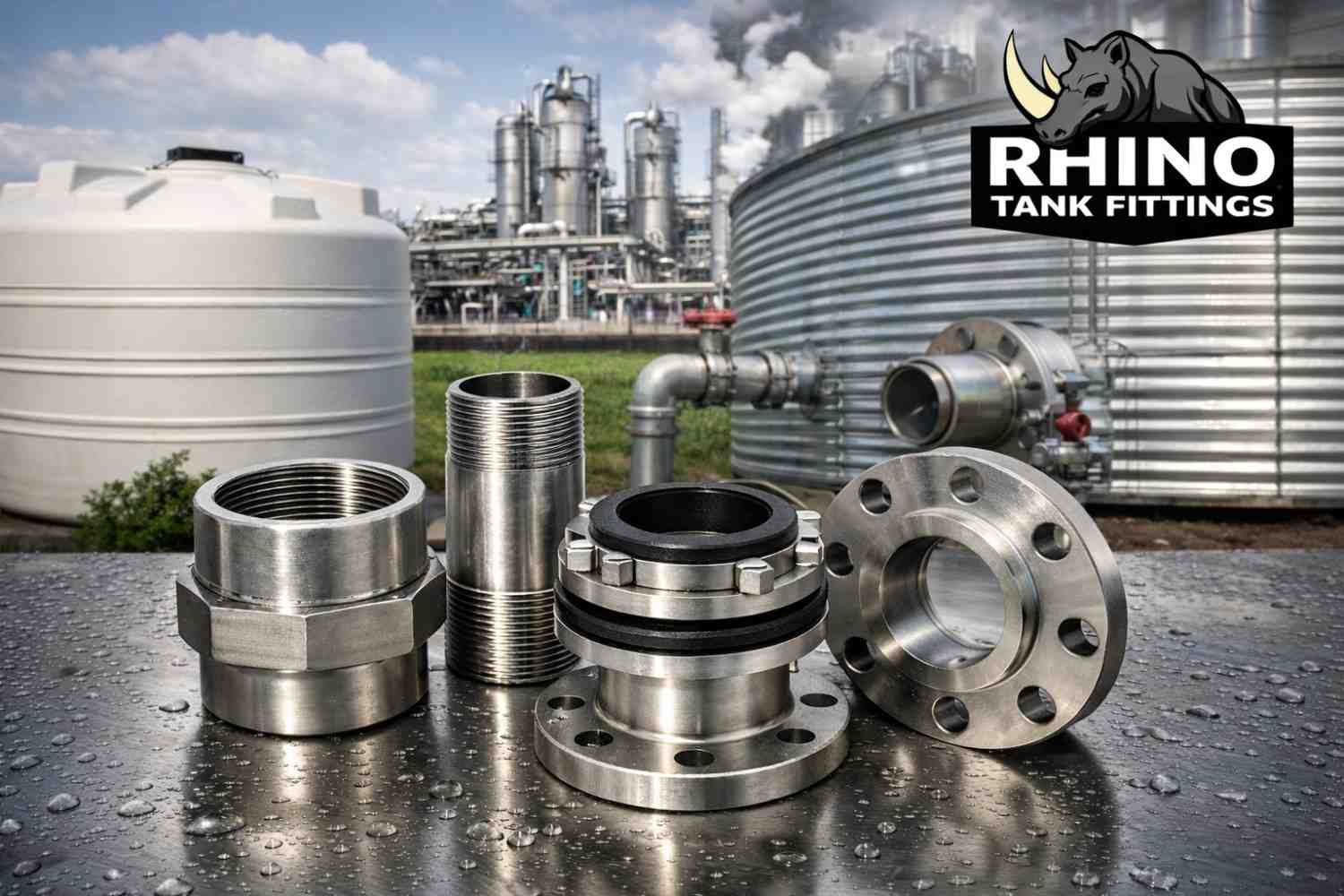
Rhino Tank Fittings are stainless steel fittings used to connect pipes, valves, and accessories to storage tanks. These fittings create a strong, leak-proof connection between the tank wall and external plumbing systems.
They are commonly used in water tanks, chemical storage tanks, and agricultural systems where durability is essential. Unlike standard fittings that may corrode or weaken over time, Rhino fittings are designed to withstand harsh environments and constant use.
Most models are made using 316 stainless steel, a material known for its strength and resistance to rust and chemicals. This makes them suitable for both residential and industrial applications.
Why Stainless Steel Tank Fittings Matter
Choosing the right material for tank fittings is extremely important. Tanks often hold liquids for long periods, which means the fittings must resist corrosion and pressure.
Corrosion Resistance
Stainless steel is widely used in industrial equipment because it does not rust easily. When tank fittings are exposed to water, chemicals, or outdoor environments, corrosion can quickly damage weaker materials.
Rhino Tank Fittings are designed to resist corrosion, which helps extend the life of the tank system and reduces maintenance costs.
Leak-Proof Installation
Another major advantage of these fittings is their leak-proof design. Tanks must remain sealed to prevent water loss or contamination. Rhino fittings use strong sealing systems and high-quality gaskets that help create a tight connection between the tank and piping system.
Types of Rhino Tank Fittings
Different tanks require different types of fittings. Rhino provides several designs to meet various installation needs.
Full Coupling Tank Fittings
Full coupling fittings provide a secure threaded connection on both sides of the tank wall. These are commonly used in systems where pipes or valves need to be attached directly to the tank.
Full Nipple Tank Fittings
Full nipple fittings include a threaded pipe section that passes through the tank wall. They are useful when connecting pipes to external plumbing or equipment.
Boltless Tank Fittings
Boltless fittings are designed for fast installation. Instead of complicated mounting systems, they use internal sealing components to secure the fitting without the need for bolts. This makes them popular for quick repairs and installations.
Gruvlok and ANSI Flange Fittings
For larger industrial tanks, flange fittings are often used. These fittings allow pipes and valves to connect using standardized flange systems, making installation and maintenance easier in large facilities.
Applications of Rhino Tank Fittings
Rhino Tank Fittings are used in many industries because tanks are essential for storing liquids safely.
In agriculture, they are used in irrigation tanks, fertilizer storage, and water supply systems for farms. Farmers rely on durable fittings to keep water systems running smoothly.
In water storage systems, these fittings help connect pipes and valves to large water tanks used in homes, businesses, and municipal infrastructure.
They are also common in industrial and chemical tanks, where strong materials are required to handle pressure, temperature changes, and chemical exposure.
Because of their durability, these fittings are also used in rainwater harvesting systems and other water management projects.
Why Professionals Choose Rhino Tank Fittings
Professionals often choose Rhino Tank Fittings because reliability is critical in tank systems. A weak or poorly designed fitting can cause leaks, contamination, or even structural damage to the tank.
Rhino fittings are known for their solid construction and precision manufacturing. The use of stainless steel ensures the fittings can withstand harsh conditions for many years.
Another advantage is their easy installation. Many models are designed to be installed without complicated tools, which saves time during setup or repairs.
For industries that rely heavily on liquid storage, using dependable fittings helps prevent costly downtime and maintenance issues.
Installation and Maintenance
Installing Rhino Tank Fittings is generally straightforward when proper guidelines are followed. The tank wall must be clean and smooth so the gasket can create a proper seal.
During installation, the fitting is placed through the tank opening and tightened to create a secure connection. Proper tightening ensures the gasket seals correctly and prevents leaks.
Maintenance is usually minimal because stainless steel fittings resist rust and wear. However, periodic inspections are recommended to ensure the seals remain in good condition and the fittings stay properly tightened.
Conclusion
Reliable tank systems depend on strong, high-quality components. Rhino Tank Fittings provide a durable and efficient solution for connecting pipes, valves, and accessories to water or industrial tanks.
With corrosion-resistant stainless steel construction, leak-proof sealing, and easy installation, these fittings are designed to perform in demanding environments. Whether used in agriculture, water storage, or industrial applications, Rhino Tank Fittings help ensure tanks operate safely and efficiently for years to come.

